Living Room Plants

Alocasia Polly

95.00 AED
90.00 AED

Alocasia Polly, also known as African Mask Plant or Elephant Ear, is a popular ornamental houseplant known for its striking foliage.


SKU: AL0012
For Bulk or Wholesale purchase
SKU: AL0012 Category:

Here are some key characteristics and care tips for Alocasia Polly:

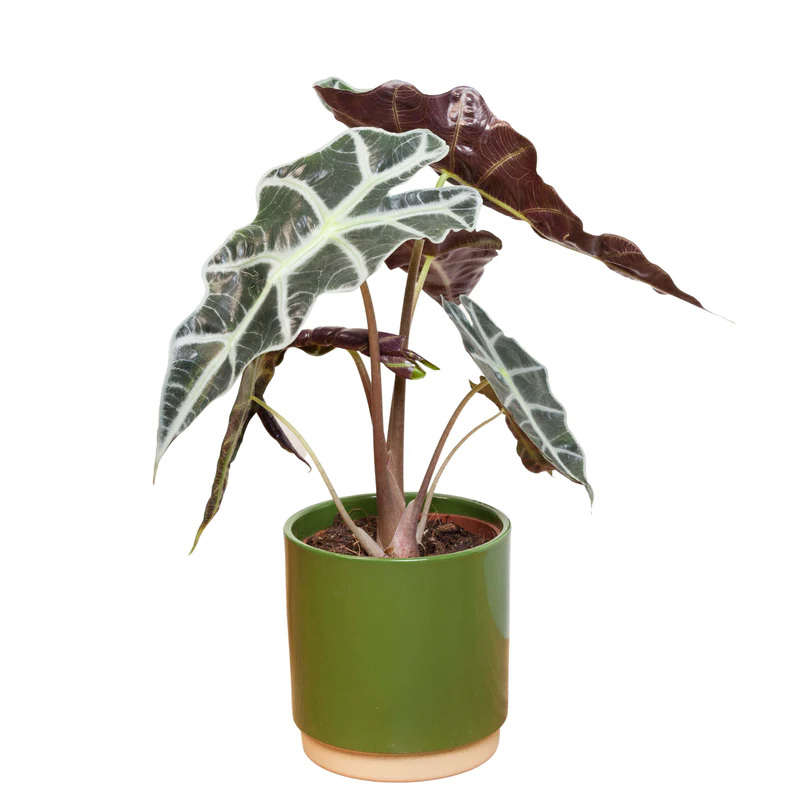
Appearance: Alocasia Polly has arrowhead-shaped leaves with distinctive dark green, glossy, and deeply veined patterns. The leaves are typically held upright on long, slender stems. The plant’s overall appearance is reminiscent of an African mask, which is how it got its common name.

Size: A mature Alocasia Polly can reach a height of around 1 to 2 feet (30-60 cm) indoors, with leaves spanning around 12-16 inches (30-40 cm) in length.

Light: Alocasia Polly prefers bright, indirect light. Avoid exposing it to direct sunlight, as this can scorch the leaves. Inadequate light can cause the plant to become leggy and lose its vibrant colors.

Temperature: These plants thrive in warm and humid conditions. Ideally, keep the room temperature between 65-80°F (18-27°C), and maintain higher humidity levels if possible. Placing the plant on a humidity tray or using a humidifier can help.

Watering: Alocasia Polly prefers to be kept evenly moist but not waterlogged. Water the plant when the top inch of the soil feels dry to the touch. Ensure proper drainage in the pot to prevent root rot, and avoid letting the plant sit in standing water.

Soil: Use a well-draining, peat-based potting mix for Alocasia Polly. A mix that retains some moisture but allows excess water to escape is ideal.

Fertilization: During the growing season (spring and summer), feed your Alocasia Polly with a balanced liquid fertilizer every 2-4 weeks. Reduce or stop feeding during the fall and winter when the plant’s growth slows down.

Repotting: Alocasia Polly may need repotting every 1-2 years as it grows. Choose a slightly larger pot and refresh the soil to provide more room for the roots to grow.

Pruning: Regularly remove yellowing or damaged leaves to encourage healthy growth and maintain the plant’s appearance.

Toxicity: Alocasia Polly is considered toxic to pets and humans if ingested. It’s a good idea to keep it out of reach of pets and children.

Pest Management: Watch out for common houseplant pests such as aphids, mealybugs, and spider mites, and treat infestations promptly.
Leave a Reply

Your email address will not be published. Required fields are marked *

Description

Here are some key characteristics and care tips for Alocasia Polly:

Appearance: Alocasia Polly has arrowhead-shaped leaves with distinctive dark green, glossy, and deeply veined patterns. The leaves are typically held upright on long, slender stems. The plant’s overall appearance is reminiscent of an African mask, which is how it got its common name.

Size: A mature Alocasia Polly can reach a height of around 1 to 2 feet (30-60 cm) indoors, with leaves spanning around 12-16 inches (30-40 cm) in length.

Light: Alocasia Polly prefers bright, indirect light. Avoid exposing it to direct sunlight, as this can scorch the leaves. Inadequate light can cause the plant to become leggy and lose its vibrant colors.

Temperature: These plants thrive in warm and humid conditions. Ideally, keep the room temperature between 65-80°F (18-27°C), and maintain higher humidity levels if possible. Placing the plant on a humidity tray or using a humidifier can help.

Watering: Alocasia Polly prefers to be kept evenly moist but not waterlogged. Water the plant when the top inch of the soil feels dry to the touch. Ensure proper drainage in the pot to prevent root rot, and avoid letting the plant sit in standing water.

Soil: Use a well-draining, peat-based potting mix for Alocasia Polly. A mix that retains some moisture but allows excess water to escape is ideal.

Fertilization: During the growing season (spring and summer), feed your Alocasia Polly with a balanced liquid fertilizer every 2-4 weeks. Reduce or stop feeding during the fall and winter when the plant’s growth slows down.

Repotting: Alocasia Polly may need repotting every 1-2 years as it grows. Choose a slightly larger pot and refresh the soil to provide more room for the roots to grow.

Pruning: Regularly remove yellowing or damaged leaves to encourage healthy growth and maintain the plant’s appearance.

Toxicity: Alocasia Polly is considered toxic to pets and humans if ingested. It’s a good idea to keep it out of reach of pets and children.

Pest Management: Watch out for common houseplant pests such as aphids, mealybugs, and spider mites, and treat infestations promptly.
Additional information

Dimensions 20 × 40 cm

Leave a Reply

Your email address will not be published. Required fields are marked *

Shopping cart0
There are no products in the cart!
Continue shopping