
Bed Room Plants

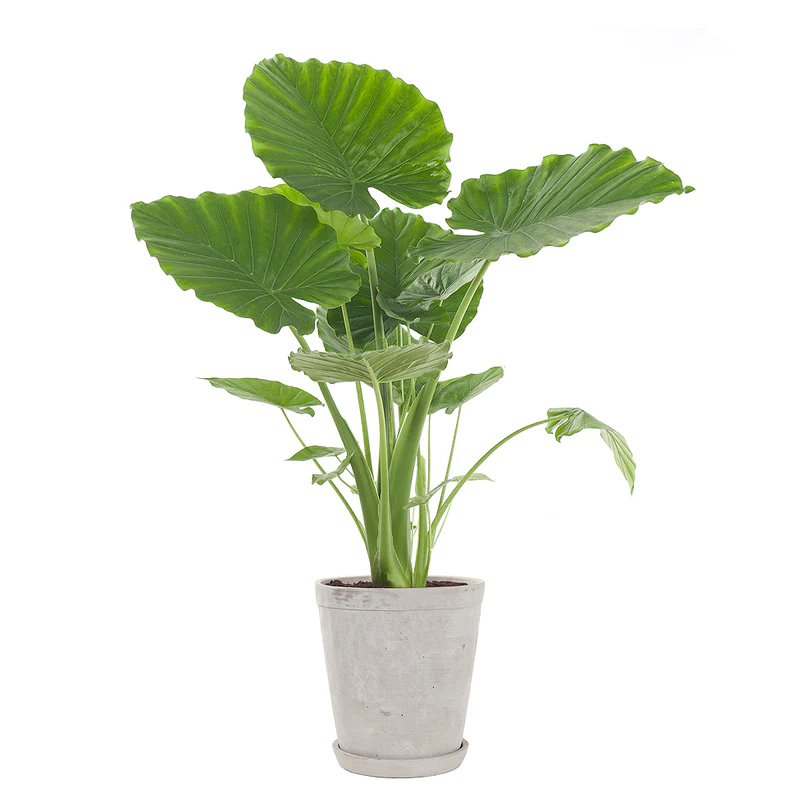
Alocasia Gageana (Dwarf Elephant Ear)

213.00 AED
210.00 AED

Alocasia gageana, commonly known as Dwarf Elephant Ear or African Mask Plant, is a compact and ornamental plant that belongs to the Alocasia genus. It’s favored for its striking, arrow-shaped leaves and is a popular choice among indoor plant enthusiasts.

80cm – 90cm (Pot: 21cm)

SKU:
For Bulk or Wholesale purchase
Category:

Here are some care guidelines for Alocasia gageana:

Light: Alocasia gageana prefers bright, indirect light. While it can tolerate lower light conditions, it will do best in bright, filtered light. Avoid exposing it to direct sunlight, which can scorch its leaves.

Watering: Keep the soil consistently moist but not waterlogged. Water when the top inch of the soil feels dry. Ensure good drainage to prevent overwatering and root rot. These plants appreciate humidity, so maintaining slightly higher humidity levels can help.

Humidity: Alocasia gageana thrives in high humidity. You can increase humidity by misting the plant regularly, using a humidity tray, or placing a humidifier nearby. Maintaining humidity will help prevent browning or crisping of the leaf edges.

Temperature: Maintain a warm and consistent temperature between 65°F to 80°F (18°C to 27°C). Avoid exposing the plant to cold drafts or sudden temperature fluctuations.

Fertilization: Feed your Alocasia gageana with a balanced, liquid fertilizer diluted to half strength every 4-6 weeks during the growing season (spring and summer). Reduce or stop fertilizing during the dormant season (fall and winter).

Potting: Repot the plant when it becomes root-bound or outgrows its container. Alocasia plants tend to be rhizomatous, so they may need repotting every 2-3 years. Choose a pot that allows room for root expansion.

Pruning: Prune away any yellow or damaged leaves to encourage new growth and maintain the plant’s appearance.

Pest Control: Keep an eye out for common houseplant pests like spider mites and mealybugs. If pests are present, take appropriate measures to control them.

Alocasia gageana is primarily grown for its ornamental value and is admired for its unique foliage. While it can help improve indoor air quality to some extent, it is not as effective in air purification as some other plants like snake plants or peace lilies. Nonetheless, its striking appearance and tropical aesthetics make it a sought-after choice for indoor plant enthusiasts who are willing to provide the necessary care it requires.
Leave a Reply

Your email address will not be published. Required fields are marked *

Description

Here are some care guidelines for Alocasia gageana:

Light: Alocasia gageana prefers bright, indirect light. While it can tolerate lower light conditions, it will do best in bright, filtered light. Avoid exposing it to direct sunlight, which can scorch its leaves.

Watering: Keep the soil consistently moist but not waterlogged. Water when the top inch of the soil feels dry. Ensure good drainage to prevent overwatering and root rot. These plants appreciate humidity, so maintaining slightly higher humidity levels can help.

Humidity: Alocasia gageana thrives in high humidity. You can increase humidity by misting the plant regularly, using a humidity tray, or placing a humidifier nearby. Maintaining humidity will help prevent browning or crisping of the leaf edges.

Temperature: Maintain a warm and consistent temperature between 65°F to 80°F (18°C to 27°C). Avoid exposing the plant to cold drafts or sudden temperature fluctuations.

Fertilization: Feed your Alocasia gageana with a balanced, liquid fertilizer diluted to half strength every 4-6 weeks during the growing season (spring and summer). Reduce or stop fertilizing during the dormant season (fall and winter).

Potting: Repot the plant when it becomes root-bound or outgrows its container. Alocasia plants tend to be rhizomatous, so they may need repotting every 2-3 years. Choose a pot that allows room for root expansion.

Pruning: Prune away any yellow or damaged leaves to encourage new growth and maintain the plant’s appearance.

Pest Control: Keep an eye out for common houseplant pests like spider mites and mealybugs. If pests are present, take appropriate measures to control them.

Alocasia gageana is primarily grown for its ornamental value and is admired for its unique foliage. While it can help improve indoor air quality to some extent, it is not as effective in air purification as some other plants like snake plants or peace lilies. Nonetheless, its striking appearance and tropical aesthetics make it a sought-after choice for indoor plant enthusiasts who are willing to provide the necessary care it requires.

Additional information

Dimensions 80 × 90 cm

Leave a Reply

Your email address will not be published. Required fields are marked *

Shopping cart0
There are no products in the cart!
Continue shopping