Terrarium

Closed Terrarium

550.00 AED
500.00 AED

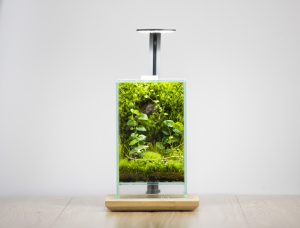
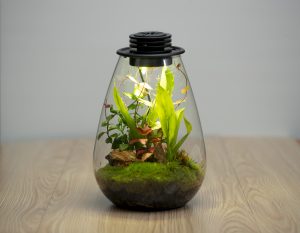
A closed terrarium is a self-contained, miniature ecosystem that is typically housed in a transparent container, such as a glass jar or a sealed glass container. It is designed to mimic the natural water cycle and create a self-sustaining environment for small plants.

Shape”: Round XL

SKU: CL033
For Bulk or Wholesale purchase
SKU: CL033 Category:

Container: Closed terrariums are typically placed in a clear glass container with an airtight or mostly sealed lid. The transparency of the container allows you to observe the ecosystem inside.

Substrate: The bottom layer of a closed terrarium is usually composed of small rocks or pebbles, which serve as a drainage layer to prevent waterlogging. On top of the rocks, a layer of activated charcoal is added to help purify the air and prevent odors.

Soil: A layer of potting soil, specifically chosen for the types of plants you intend to grow, is added above the charcoal. This is where the plants’ roots will anchor and obtain their nutrients.

Plants: Closed terrariums are ideal for small, low-maintenance plants like mosses, ferns, air plants, and some succulents. The plants selected should be well-suited to the humidity and limited space within the terrarium.

Water: A closed terrarium is essentially a sealed, self-sustaining ecosystem. After initially watering the plants, the container is sealed, and the water cycle begins. Evaporation from the soil and plants creates condensation on the inner surface of the container, which then drips back down to the soil. This continuous cycle provides the plants with the moisture they need.

Light: Closed terrariums require indirect sunlight or bright, filtered light. Placing them in direct sunlight can lead to excessive heat and moisture buildup, which may harm the plants.

Maintenance: Closed terrariums are low-maintenance, but they do require some care. Periodically, you may need to open the lid to allow excess moisture to escape and to check for any signs of mold or pests. Pruning and repotting may be necessary as the plants grow.

Ecosystem: A closed terrarium is like a tiny, self-contained ecosystem. The plants produce oxygen, while the decomposition of dead plant matter, such as fallen leaves, provides nutrients for the plants. The closed environment can support its own balance of life, creating a unique and fascinating microcosm.

Leave a Reply

Your email address will not be published. Required fields are marked *

Description

Container: Closed terrariums are typically placed in a clear glass container with an airtight or mostly sealed lid. The transparency of the container allows you to observe the ecosystem inside.

Substrate: The bottom layer of a closed terrarium is usually composed of small rocks or pebbles, which serve as a drainage layer to prevent waterlogging. On top of the rocks, a layer of activated charcoal is added to help purify the air and prevent odors.

Soil: A layer of potting soil, specifically chosen for the types of plants you intend to grow, is added above the charcoal. This is where the plants’ roots will anchor and obtain their nutrients.

Plants: Closed terrariums are ideal for small, low-maintenance plants like mosses, ferns, air plants, and some succulents. The plants selected should be well-suited to the humidity and limited space within the terrarium.

Water: A closed terrarium is essentially a sealed, self-sustaining ecosystem. After initially watering the plants, the container is sealed, and the water cycle begins. Evaporation from the soil and plants creates condensation on the inner surface of the container, which then drips back down to the soil. This continuous cycle provides the plants with the moisture they need.

Light: Closed terrariums require indirect sunlight or bright, filtered light. Placing them in direct sunlight can lead to excessive heat and moisture buildup, which may harm the plants.

Maintenance: Closed terrariums are low-maintenance, but they do require some care. Periodically, you may need to open the lid to allow excess moisture to escape and to check for any signs of mold or pests. Pruning and repotting may be necessary as the plants grow.

Ecosystem: A closed terrarium is like a tiny, self-contained ecosystem. The plants produce oxygen, while the decomposition of dead plant matter, such as fallen leaves, provides nutrients for the plants. The closed environment can support its own balance of life, creating a unique and fascinating microcosm.
Additional information

Dimensions 22 × 22 × 41 cm

Leave a Reply

Your email address will not be published. Required fields are marked *

Shopping cart0
There are no products in the cart!
Continue shopping