 0.0
0.0Description
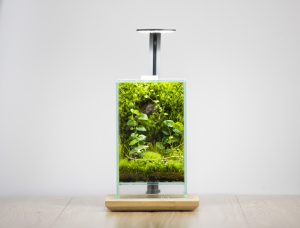
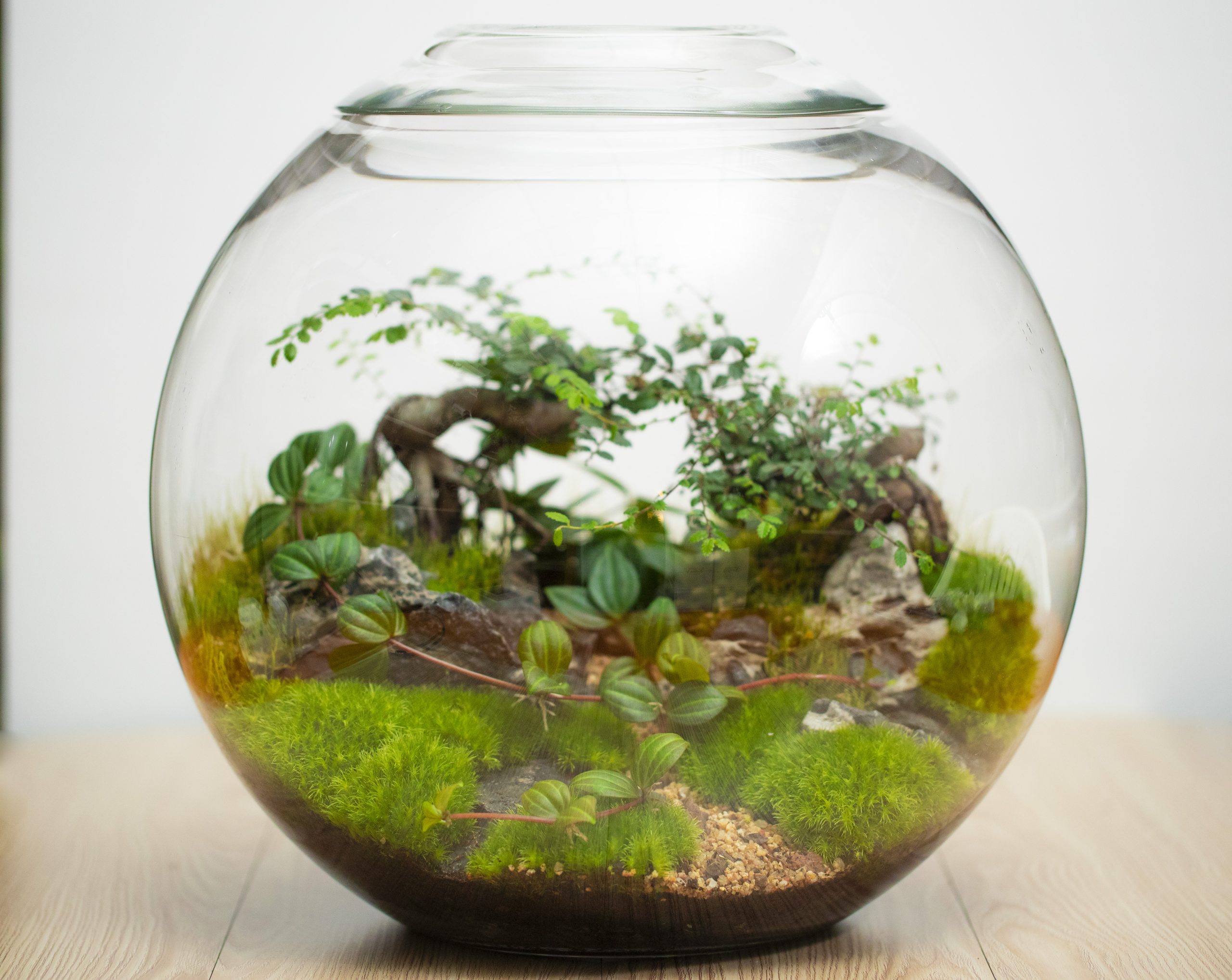
- Container: An open terrarium is typically created in a glass, plastic, or decorative container with an open top. The container can vary in shape, size, and design, but it is always open to the surrounding environment.
- Plants: Open terrariums can host a variety of plants, including succulents, cacti, small herbs, or other indoor plants. The plant selection is often based on the available light and the desired aesthetic. These plants are chosen for their compatibility with the open environment and their ability to thrive in indoor conditions.
- Soil: Just like closed terrariums, open terrariums also require a layer of well-draining potting soil. The choice of soil will depend on the types of plants you intend to grow, as different plants have different soil requirements.
- Decorative Elements: Open terrariums often include decorative elements such as small stones, pebbles, decorative sand, or miniature figurines. These elements can add aesthetic appeal and personalize the terrarium to fit a specific theme or style.
- Light: Open terrariums should be placed in locations that provide the appropriate amount of light for the plants they contain. Most plants suitable for open terrariums thrive in bright, indirect sunlight, but the specific light requirements will vary depending on the chosen plant species.
- Maintenance: Unlike closed terrariums, open terrariums do not create a self-contained ecosystem. They require regular care and maintenance. This includes watering, pruning, and potentially repotting the plants as they grow. It’s essential to monitor the moisture level and adjust the watering schedule to prevent overwatering or underwatering.